How Dental Veneers Can Correct Imperfections Like Gaps and Chips
Unlocking the Keys of Veneers: Realities, Types, and Benefits for a Beautiful Smile
Veneers provide an engaging option for those looking for to boost their smiles. These oral enhancements can deal with various imperfections, from discoloration to imbalance. With alternatives like porcelain and composite, people can select based on their choices and demands. However, understanding the nuances of veneers, consisting of application and care, is necessary. What variables should one think about prior to making a decision? The solutions might shock those interested in this aesthetic oral option.

Comprehending Veneers: What Are They?
Veneers are thin, customized shells made to cover the front surface area of teeth, improving their appearance. Normally crafted from resilient materials, these shells are tailored to fit each person's teeth specifically. They serve multiple purposes, including dealing with aesthetic blemishes such as staining, chips, or spaces. The application procedure involves a dentist preparing the teeth, typically by removing a small amount of enamel to assure a snug fit. As soon as prepared, the veneers are bonded to the teeth making use of a strong adhesive.
Patients frequently choose veneers for their capability to develop a natural-looking smile while providing a lasting solution to oral imperfections. Unlike other aesthetic dentistry options, veneers call for minimal invasive treatments, making them a popular selection. The outcome is an improved smile that can substantially improve a person's self-confidence and self-confidence. In general, veneers offer an efficient strategy to accomplishing a more attractive and harmonious dental look.
Kinds of Veneers: Porcelain vs. Compound
When considering aesthetic dental options, two key kinds of veneers stick out: porcelain and compound. Porcelain veneers are crafted from a sturdy ceramic material that simulates the all-natural look of teeth. They are known for their tarnish resistance and capability to reflect light similarly to all-natural enamel, providing a visual charm that several people wish. The application process generally includes more prep work of the tooth structure and may require numerous check outs to the dental practitioner.
On the other hand, composite veneers are made from a tooth-colored material that is straight related to the teeth. This type permits quicker application and can frequently be completed in a solitary see. While they are less costly than porcelain veneers, they might not supply the exact same long life or resistance to staining. Ultimately, the choice between porcelain and composite veneers depends on individual choices, budget, and specific oral requirements.
The Benefits of Picking Veneers
Selecting veneers uses numerous advantages that can considerably enhance both the aesthetic appeals and functionality of a person's smile. One of the primary benefits is their capacity to remedy flaws such as staining, spaces, and imbalance, resulting in a more uniform appearance. Veneers can additionally improve the sturdiness of teeth, supplying a safety layer that shields them from damages.
They require marginal tooth prep work contrasted to various other dental procedures, maintaining more of the all-natural tooth structure. This preservation adds to a healthier dental atmosphere while still achieving a magnificent smile.
Veneers are extremely adjustable, enabling individuals to select the shape, dimension, and shade that finest matches their choices. Furthermore, they are stain-resistant, making it simpler to keep a intense and appealing smile with time. Generally, veneers offer an effective alternative for those looking for both aesthetic enhancement and lasting oral health advantages.
The Veneer Application Process
The veneer application procedure entails a number of vital actions to assure perfect results. Originally, a consultation is performed to evaluate the person's requirements, adhered to by the preparation and shaping of the teeth. The veneers are bonded in place, with modifications made for an excellent fit and look.
Preliminary Appointment Tips
A complete first examination is necessary for anybody considering veneers, as it sets the foundation for a successful treatment. Throughout this meeting, the dental professional assesses the person's oral health, discussing any existing problems that might impact the veneer application. This analysis may consist of X-rays and a visual evaluation to establish the problem of the periodontals and teeth.
The dentist also engages the client in a thorough conversation regarding their visual objectives, preferences, and assumptions. They may provide various veneer alternatives tailored to the individual's particular demands. Additionally, the professional clarifies the treatment, potential risks, and aftercare demands, guaranteeing that the client is comfortable and knowledgeable prior to continuing with the treatment.
Prep Work and Forming Teeth
After the initial appointment, the following phase includes the prep work and shaping of the teeth to accommodate the veneers. This vital action is executed by the dental practitioner, that carefully evaluates the tooth structure to figure out the quantity of enamel that needs to be gotten rid of. Commonly, a thin layer, normally around 0.5 millimeters, is slashed off to guarantee a proper fit for the veneers. Precision is vital during this procedure, visit as it affects both the overall convenience and the visual end result. As soon as the teeth are adequately formed, perceptions are taken to develop custom-made veneers that line up flawlessly with the individual's dental profile. This thorough prep work sets the stage for a successful veneer application, improving both look and feature.
Bonding and Last Modifications
Complying with the shaping and prep work of the teeth, the bonding procedure starts, noting an essential phase in the veneer application. During this phase, a dental adhesive is used to the prepared tooth surface, assuring a strong bond between the tooth and the veneer. The dentist diligently places the veneer, making modifications to achieve the preferred placement and appearances. Once properly put, an unique light is made use of to heal the glue, solidifying the bond. After healing, the dentist performs final adjustments, cutting any kind of excess product and fine-tuning the veneer's form to assure an all-natural look. This careful interest to information enhances both feature and aesthetic appeals, adding to a general beautiful smile that is durable and durable.
Caring for Your Veneers: Upkeep Tips
Taking care of veneers is important to keep their appearance and durability. A constant everyday cleansing regimen, mindful avoidance of discoloring foods, and routine oral exams are vital parts of reliable maintenance. These methods help guarantee that veneers stay in peak condition and proceed to improve one's smile.
Daily Cleansing Regimen
On a regular basis maintaining veneers is necessary for their longevity and appearance. A correct why not find out more everyday cleaning routine can assist preserve their sparkle and protect against damages. Dental practitioners suggest cleaning two times a day with a soft-bristled tooth brush and fluoride tooth paste, making sure that all surface areas are cleaned up gently to avoid scraping the veneer surface. Flossing everyday is additionally essential to get rid of food particles and plaque from between teeth, where brushes might not reach. Additionally, using an antimicrobial mouthwash can help keep dental hygiene without hurting the veneers. It is recommended to avoid abrasive cleansers and devices that can scrape the veneer. By adhering to these straightforward steps, people can keep their veneers looking beautiful while advertising overall oral wellness.
Avoiding Discoloration Foods
Although veneers are developed to improve the appearance of teeth, their sensitivity to tarnishing requires mindful nutritional choices. It is vital for individuals with veneers to be conscious of particular foods and beverages that can lead to staining. Dark-colored things such as coffee, merlot, and berry juices ought to be eaten in small amounts, as they are known to stain both all-natural teeth and veneers. Furthermore, acidic foods like citrus fruits container weaken the bonding representatives made use of in veneers, making them a lot more prone to staining. To preserve a bright smile, it is suggested to rinse the mouth with water after consuming staining foods and to practice routine this page oral health. These thoughtful choices add considerably to the longevity and aesthetics of veneers.

Normal Oral Check-ups
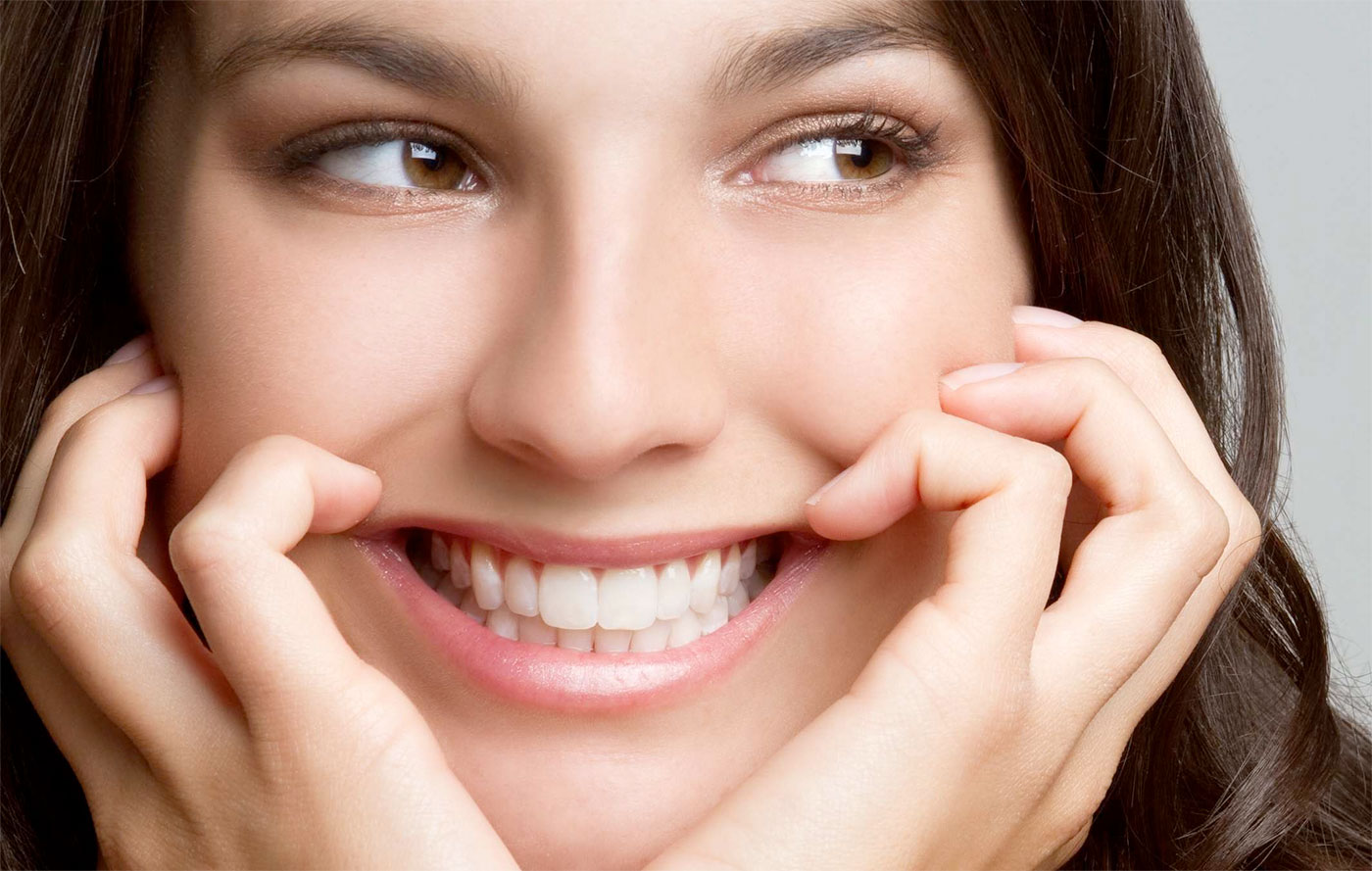
Keeping the honesty of veneers calls for a dedication to regular oral exams, as these appointments play an essential role in guaranteeing their long life and appearance. During these gos to, oral experts can assess the condition of the veneers, checking for any indications of wear, damages, or underlying dental concerns. Furthermore, regular cleansings help remove plaque and tartar that can accumulate around the veneers, advertising overall dental health and wellness. Dental practitioners can likewise provide tailored guidance on treatment techniques and items suited for veneer upkeep. By adhering to a timetable of check-ups, individuals can attend to prospective issues early, guaranteeing their smile continues to be lively and attractive. Eventually, normal oral check outs are a crucial part of veneer care.
Is Veneers the Right Choice for You?
Choosing whether veneers are the right alternative usually copyrights on individual aesthetic goals and dental needs. For those seeking to attend to issues such as staining, chips, or imbalance, veneers can give a transformative remedy. Prospects typically include individuals with healthy and balanced teeth however prefer an enhanced smile.
It is crucial to take right into account elements such as tooth enamel problem, the extent of dental problems, and the readiness to maintain veneers. Consulting with an oral professional is necessary, as they can evaluate dental health and identify if veneers are suitable
Additionally, prospective prospects ought to assess the long-lasting dedication, as veneers may call for substitute every 10-15 years. Cost factors to consider likewise play a substantial function, as veneers can be a significant investment. Ultimately, the choice needs to be well-informed, stabilizing visual wishes with practical considerations for enduring outcomes.
Frequently Asked Inquiries
For How Long Do Veneers Generally Last Prior To Needing Substitute?
Veneers typically last between 10 to 15 years before requiring replacement. Factors such as dental health, way of life selections, and material high quality can influence their durability, making routine oral check-ups necessary for keeping their problem.
Are Veneers Safe for People With Delicate Teeth?
Veneers can be risk-free for individuals with sensitive teeth, but it usually depends on the intensity of sensitivity and the dental expert's strategy. Consulting an oral specialist before continuing is vital to guarantee suitable outcomes.
Can Veneers Be Gotten Rid Of or Replaced Easily?

Do Veneers Spot In Time, and How Can I Avoid It?
Veneers can stain gradually, particularly from foods and drinks like coffee or merlot. To avoid discoloration, maintaining excellent dental health, utilizing a straw for beverages, and normal dental cleanings are advised methods.
What Is the Cost Range for Obtaining Veneers?
The expense of veneers usually varies from $500 to $2,500 per tooth, relying on factors such as material kind, dental expert experience, and place. Individuals must speak with oral professionals for individualized quotes and funding options.
When the teeth are sufficiently formed, impacts are taken to develop customized veneers that align flawlessly with the patient's dental profile. During this stage, a dental adhesive is used to the prepared tooth surface area, assuring a solid bond between the veneer and the tooth. It is important to take into account aspects such as tooth enamel problem, the extent of dental problems, and the willingness to maintain veneers. Veneers can be safe for people with delicate teeth, however it often depends on the seriousness of level of sensitivity and the dentist's technique. The price of veneers typically ranges from $500 to $2,500 per tooth, depending on aspects such as material kind, dentist experience, and location.